Embarking on the journey of puppy ownership can be incredibly exciting yet simultaneously daunting, particularly for first-time dog owners. The initial joy of bringing home a new furry family member often quickly gives way to a flurry of questions about proper care, effective training, and seamless integration into family life. As demonstrated in the accompanying video featuring Victoria Stilwell guiding the Theelan family, these early stages are crucial for establishing a strong foundation for your puppy’s future well-being and behavior.
Fortunately, with a structured approach and consistent effort, navigating the complexities of puppy training and selection becomes a rewarding experience. This comprehensive guide will expand upon the key insights from the video, offering actionable advice and deeper context to help you successfully welcome and train your new canine companion.
Choosing the Right Puppy for Your Family: More Than Just Cuteness
The initial decision to acquire a puppy is monumental, but selecting the *right* puppy for your specific family dynamics is even more critical. Many families, much like the Theelan’s, may simply “want a dog” without fully considering the long-term implications of breed characteristics or individual puppy temperaments. Victoria Stilwell rightly emphasizes the importance of finding a medium-sized dog that fits their home and young children.
Understanding Breed Characteristics and Temperament
Every dog breed possesses inherent characteristics that dictate its potential size, energy levels, grooming needs, and general disposition. For instance, while Lab-Shepherd mixes are undeniably beautiful, they typically mature into large, energetic dogs requiring significant exercise and mental stimulation. Conversely, a Beagle-Basset Hound mix, as highlighted in the video, often offers a more “middle-of-the-road” temperament, making it suitable for many families seeking a less intense companion.
-
Size Considerations: Evaluate your living space and whether a large, medium, or small dog will comfortably coexist with your family and environment. Larger breeds often require more space, food, and can inadvertently overwhelm younger children.
-
Energy Levels: Match a puppy’s expected energy to your family’s lifestyle. Active families might thrive with a high-energy breed, whereas a family with less time for strenuous activity might prefer a more laid-back companion.
-
Grooming Needs: Some breeds require daily brushing, professional grooming, or have specific health considerations. Be prepared for these commitments.
-
Temperament: Research breed tendencies regarding sociability, trainability, and suitability with children or other pets. A good breeder or rescue organization can provide valuable insights into specific bloodlines and individual puppy traits.
Assessing Individual Puppies within a Litter
Beyond breed, each puppy within a litter will have its own distinct personality. When the Theelan’s interacted with the Beagle-Basset Hound puppies, Victoria looked for specific cues: sociability and a desire to interact with both adults and children. This direct observation is invaluable.
Consider these factors when choosing a puppy:
-
Sociability: Does the puppy approach you readily? Does it seem curious and comfortable in new situations?
-
Interaction Style: Observe how the puppy plays with its littermates and with people. Is it overly dominant, overly shy, or does it engage in balanced play?
-
Response to Handling: A puppy that tolerates being gently picked up and handled is often a good sign. As seen with Whistler, a “softer mouth” during play can also be an indication of future bite inhibition.
-
Calmness vs. Hyperactivity: While all puppies are energetic, some exhibit a calmer demeanor even amidst excitement. The Theelan’s observation that Whistler was “calmer than the rest” was a telling sign.
Essential Preparations for Your New Puppy’s Arrival
Bringing a puppy home necessitates immediate preparations to ensure its safety, comfort, and a smooth transition. The video effectively highlights the creation of designated safe spaces, an often-overlooked yet critical aspect of early puppy training.
Establishing Safe and Comfortable Spaces
Puppies thrive on routine and security. Setting up a temporary pen in a family area and a more permanent crate in a quieter space, like the laundry room Victoria arranged for Lollipop, provides both inclusion and necessary alone time. A puppy needs to be with its family but also requires secure, personal spaces where it can rest undisturbed.
-
Daytime Pen: Positioned in a high-traffic family area, a puppy pen allows your new companion to observe family activities without being underfoot or getting into trouble. Ensure the pen is spacious enough for a bed, water bowl, and a designated potty area.
-
Crate Training: The crate should be a positive, comfortable den, not a punishment tool. It offers a secure retreat and is invaluable for house training. Place soft bedding and a safe chew toy inside. For young puppies, covering the crate with a light blanket can enhance the den-like feel, promoting relaxation.
-
Baby Gates: These are indispensable for managing a puppy’s access to different areas of your home. They allow you to confine the puppy to safe zones while still allowing it to feel connected to the family, preventing isolation-induced stress.
The Crucial First Step: Naming Your Puppy
Naming your puppy within the first few days is a simple yet vital step in early . A clear, consistent name helps establish an identity and forms the basis for all future communication. Victoria’s interaction with the Theelan children about naming Lollipop underscores the immediate need for this.
When choosing a name:
-
Keep it Short and Clear: One or two syllables are often easiest for puppies to recognize.
-
Avoid Command-Like Names: Names that sound similar to common commands (e.g., “Sit” or “No”) can create confusion.
-
Use it Positively: Always associate the name with positive experiences, such as praise, treats, or playtime, to build a strong, positive association.
Mastering House Training for Your Puppy
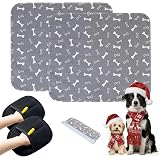
House training is arguably one of the most challenging aspects of early puppy ownership, as the Theelan’s quickly discovered with Lollipop. Patience, consistency, and a clear strategy are paramount. Victoria Stilwell’s advice on using pee pads, especially in colder environments or for very young puppies, provides a practical solution for indoor elimination.
Effective Pad Training Techniques
The method of gradually reducing the number of pads is highly effective. Beginning with a fully padded area teaches the puppy that elimination *only* happens on a pad within that space. Slowly removing pads compels the puppy to seek out the remaining designated spots, refining its understanding of where to relieve itself.
For successful pad training:
-
Start Broad: Initially cover a significant portion of the designated indoor potty area with pads. This minimizes errors and builds early success.
-
Gradual Reduction: Every few days, remove one or two pads. This systematically narrows the acceptable elimination zone.
-
Consistency is Key: Always take your puppy to the pads immediately after waking up, after playing, and after eating. Praise and reward successful eliminations.
-
Clean Accidents Thoroughly: Use enzymatic cleaners to eliminate odors that might attract your puppy to the same spot for future accidents.
Transitioning to Outdoor Potty Training
If you have a yard, transitioning to outdoor potty training can begin immediately. Always take your puppy out on a leash to a specific spot. This helps them associate that particular area with elimination and allows you to supervise. For puppies trained on pads, the eventual goal is to move the last pad closer to the door, then outside. The Theelan children’s teamwork in cleaning pads is an excellent example of family involvement in this demanding process.
Addressing Common Puppy Behavior Challenges
Puppies, like human toddlers, explore the world with their mouths and boundless energy. Managing behaviors like nipping and excessive energy are crucial for developing a well-adjusted adult dog.
Managing Puppy Nipping and Biting
The scene where Lollipop nips the children illustrates a common problem. Victoria Stilwell emphasizes that allowing mouthing now will create “horrible habits that are hard to break.” Puppy teeth are sharp, and even playful nips can hurt, but more importantly, they teach the puppy that it’s acceptable to use its mouth on human skin.
To discourage nipping:
-
Immediate Disengagement: If your puppy nips, make a sharp “ouch” sound or clap your hands, then immediately withdraw attention by walking away and turning your back. The game stops when teeth touch skin.
-
Redirection: Offer an appropriate chew toy as an alternative. When the puppy mouths the toy, praise and reward it enthusiastically.
-
Consistent Rules: Ensure everyone in the family adheres to the same rules. Inconsistent responses confuse the puppy.
The Importance of Early Puppy Socialization
Socialization is arguably the single most important aspect of early and development. Victoria Stilwell explicitly states that the period between **eight and sixteen weeks old** is the most crucial time for a puppy to experience different environments, situations, people, and other dogs. During this critical window, a puppy’s brain is highly receptive to new experiences, shaping its future reactions and temperament.
Proper socialization is not just about meeting other dogs; it encompasses exposing your puppy to a wide variety of novel, positive experiences in a controlled manner:
-
Controlled Puppy Playdates: As seen with Lollipop and Dolly, one-on-one play with a friendly, vaccinated puppy can build confidence and teach appropriate dog-to-dog communication.
-
Variety of People: Introduce your puppy to people of different ages, genders, and appearances (hats, glasses, uniforms).
-
Diverse Environments: Take your puppy to safe, clean places like pet-friendly stores, parks (before their vaccination series is complete, carry them if needed), and quiet streets. Expose them to different sights, sounds, and surfaces.
-
Positive Reinforcement: Always ensure these experiences are positive. Use treats and praise liberally to create happy associations with new things. Never force your puppy into an interaction it’s clearly uncomfortable with.
The Theelan’s discovery of many dogs in their neighborhood for Lollipop to socialize with is a fantastic resource, highlighting how community engagement can significantly aid a puppy’s development. Effective puppy training and socialization are ongoing processes, requiring continuous commitment and a proactive approach from the entire family.
Your Path to a Paw-some Partnership: Training & Selection Q&A
What should I consider when choosing a puppy for my family?
Beyond cuteness, think about a breed’s expected size, energy levels, grooming needs, and general temperament to ensure it fits your family’s lifestyle.
What are some essential things I should prepare before bringing my puppy home?
Set up safe spaces like a daytime pen and a comfortable crate, and be ready to choose a clear, short name for your puppy within the first few days.
What’s a good first step for house training a new puppy?
Start with pad training by covering a designated indoor potty area with pads, then gradually reduce the number of pads to teach your puppy where to eliminate.
How can I stop my puppy from nipping or biting?
If your puppy nips, make a sharp sound and immediately withdraw attention. Always redirect their biting towards an appropriate chew toy instead of your skin.
How important is it to socialize my puppy early on?
Early socialization, especially between eight and sixteen weeks old, is crucial for your puppy to develop into a well-adjusted adult dog by positively exposing them to new experiences, people, and other friendly dogs.