Ever found yourself racing home, hoping your furry friend can “hold it” just a little longer? Or perhaps city living makes frequent outdoor potty breaks a true challenge. Many dog owners face these very dilemmas. As Nathan and Einstein demonstrate in the informative video above, mastering how to train a dog to use pee pads can be a real game-changer. This approach offers your beloved companion a reliable indoor potty solution, providing peace of mind for both of you.
Pee pads aren’t just for puppies. They are incredibly useful for senior dogs, small breeds, or during bad weather. Imagine fewer unexpected accidents. Picture a cleaner home environment. With dedication and the right strategy, your dog can quickly learn this valuable skill. We will expand on the video’s excellent advice here. Learn more about effective pee pad training methods.
Why Pee Pads Matter for Your Dog’s Well-being and Your Home
Firstly, consider the practical benefits of dog pee pads. They provide a safe and consistent indoor potty area. This is ideal for pet parents in apartments or high-rise buildings. It eliminates the need for midnight excursions in the rain or snow. Pee pads offer a hygienic option when outdoor access is limited.
Secondly, pee pads support specific dog needs. Older dogs with bladder control issues benefit greatly. Small puppies, still developing their bladder strength, also find them helpful. They serve as an excellent bridge to outdoor potty training. This system reduces stress for both dog and owner.
Getting Started with Pee Pad Training: Essential Supplies
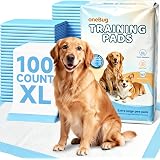
The video correctly notes you need pee pads and treats. However, selecting the right supplies makes a big difference. Not all pee pads are created equal. Some feature activated charcoal for odor control. Others include attractant scents, guiding your dog to the correct spot. Reusable pee pads are also an eco-friendly option.
Choose high-value treats for rewards. These should be small, soft, and extra appealing to your dog. Examples include tiny pieces of cooked chicken or cheese. Always have plenty on hand during training sessions. This strengthens the positive association with the pee pad.
Mastering the “Go Potty” Command for Indoor Success
A verbal cue like “go potty” is a powerful tool. It helps your dog understand what is expected. This command bridges the gap between intention and action. It’s a foundational step in effective pee pad training.
For a new puppy, say the cue as they naturally squat. Praise and reward instantly when they finish. For house-trained dogs, use the cue before their outdoor potty breaks. This helps them connect the phrase with the act. Consistency is key for command recognition.
Choosing the Perfect Pee Pad Spot for Your Canine Companion
The location of your pee pad is crucial. It must be easily accessible to your dog at all times. Avoid high-traffic areas where your dog might feel exposed. A quiet corner in a bathroom or laundry room often works well. This provides privacy and comfort.
Additionally, choose a spot with easily cleanable flooring. Tiles or linoleum are ideal in case of accidents. Maintain this location consistently. Moving the pad frequently can confuse your dog. A stable spot helps them build routine quickly.
Introducing Your Dog to Pee Pads: The First Steps
Begin by taking your dog to the designated pee pad spot. Put them on a leash for better guidance. Lead them onto the pad gently. Then, say your chosen potty command. Give them a few minutes to investigate and potentially relieve themselves. Patience is vital here.
Timing is also essential. Take your dog to the pad after waking up. Do this again 20 to 30 minutes after they eat or drink. These are prime times for a dog to need to “go.” If they don’t use the pad, remove them. Try again in 15-20 minutes. Never scold them for not going.
The Power of Positive Reinforcement in Pee Pad Training
Every single time your dog uses the pee pad correctly, celebrate! Lavish them with praise. Offer those high-value treats immediately. This creates a strong positive association with the pad. Your dog learns that using the pad leads to good things. It reinforces the desired behavior.
Avoid any punishment for accidents. This can create fear and anxiety. It may even make your dog hide their potty breaks. Instead, simply clean up any messes thoroughly. Use an enzymatic cleaner to eliminate odors. Focus on rewarding correct behavior. This builds trust and encourages learning.
Maintaining Consistency for Success with Dog Pee Pads
Consistency is the cornerstone of all dog training. The video stresses this point significantly. Do not ease up after a few successful pad uses. Continue to guide your dog to the pad regularly. Keep using your verbal cue. Always reward them for success.
A consistent routine can see your dog trained within a week or so. However, breaks in training extend this period. Allowing free roaming and unsupervised accidents hinders progress. Stick to the routine diligently. This ensures long-term success with dog pee pads.
Troubleshooting Common Pee Pad Training Challenges
Firstly, some dogs might miss the pad. This often indicates the pad is too small. Try a larger pad or place multiple pads together. Ensure the pad is secure and doesn’t shift. A pee pad holder can prevent bunching and movement.
Secondly, chewing the pads is another issue. This could be due to boredom or teething. Provide appropriate chew toys to redirect this behavior. Supervise your dog closely during training periods. Consider using a sturdy pee pad holder. This makes the pad less appealing to chew.
Lastly, some dogs may refuse to use the pad. Re-evaluate the pad’s location. Is it private enough? Does it feel safe? Ensure your cleaning routine is thorough. Leftover scent can encourage going elsewhere. Sometimes, a different type of pad helps. Experiment with various materials or scents.
Beyond the Basics: Advanced Pee Pad Tips
Once your dog reliably uses the pee pad, you might expand their training. One strategy is to gradually move the pad closer to an exit. This can help transition to outdoor potty training. Over several days, inch the pad towards the door. Eventually, the pad can be placed just outside.
Consider combining pee pad training with crate training. A dog’s natural instinct is to keep their den clean. They will avoid soiling their crate. This reinforces bladder control. After crate time, immediately take them to the pee pad. This creates a predictable routine. It maximizes the chances of successful dog pee pad training.
Pawsitive Answers to Your Pee Pad Training Questions
What are dog pee pads used for?
Dog pee pads provide a reliable indoor potty solution, especially useful for pet owners living in apartments, during bad weather, or for dogs with limited outdoor access.
Which dogs can benefit from using pee pads?
Pee pads are useful for various dogs, including puppies still developing bladder control, senior dogs with bladder issues, small breeds, and any dog whose owners have busy schedules or live in the city.
What essential supplies do I need to start pee pad training?
To begin pee pad training, you will primarily need pee pads and high-value treats to reward your dog. You can choose different types of pads, including those with odor control or attractant scents.
Where is the best place to put a pee pad in my home?
The best place for a pee pad is a quiet, easily accessible corner in an area like a bathroom or laundry room, where your dog feels private and comfortable. It’s also helpful if the spot has easily cleanable flooring, like tile.
How should I reward my dog for using the pee pad correctly?
Every time your dog uses the pee pad correctly, you should immediately celebrate with lavish praise and high-value treats. This positive reinforcement helps your dog associate using the pad with good experiences.